
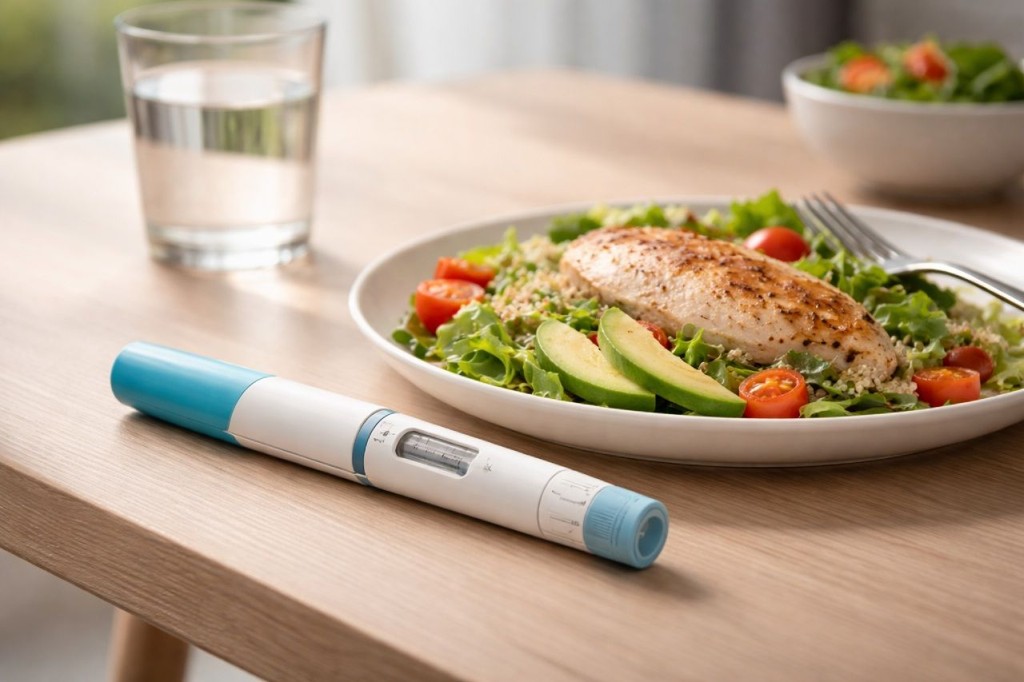
Weight-loss injections are influencing the food industry far beyond doctors’ offices and social media. As the use of these medications continues to grow, eating habits are changing for an increasing number of consumers, reshaping the entire food and beverage supply chain. When people change the way they eat, supermarket purchases shift, product development evolves, store layouts adapt, and manufacturers rethink their strategies. The impact is already visible in shopping carts, restaurant menus, retail shelves, and business decisions across the sector.
A recent survey by Instituto Locomotiva found that 33% of Brazilian households now have at least one person who currently uses or has previously used weight-loss medications. At the end of 2025, that figure stood at 26%, highlighting significant growth in just a few months. As these treatments become part of everyday life for millions of families, they are increasingly influencing decisions throughout the food and beverage industry.
How are weight-loss injections changing the food industry?
Weight-loss medications reduce appetite and increase feelings of fullness. As a result, many consumers eat less throughout the day and become more selective about the foods they choose. Market research already shows that these behavioral changes are reshaping purchasing patterns.
According to a NielsenIQ study, 84.4% of consumers reported increasing their intake of animal protein after starting treatment, while 67.6% said they were buying more vegetables. On the other hand, categories such as alcoholic beverages, indulgent products, and soft drinks have experienced declining consumption among part of this audience.
| The impact of weight-loss injections on grocery shopping | |
| Category | Change in purchase volume |
| Beer | -1,03% |
| Snacks | -0,82% |
| Chocolate | -0,72% |
| Fresh beef | +0,43% |
| Dietary supplements | +5,53% |
Source: Scanntech and Workplanet by Numerator
The combination of consumer research and retail performance data shows that this shift has already reached supermarket shelves. Businesses that closely monitor these changing habits are better positioned to anticipate demand, develop products that match consumer expectations, and identify high-growth categories for the coming years.
What changes for manufacturers and retailers?
Whenever consumer preferences evolve, the entire supply chain follows. Growing demand for healthier food options is encouraging manufacturers to review their product portfolios, accelerate innovation, and expand categories that are becoming increasingly relevant on store shelves.
Protein-rich foods, convenient balanced meals, natural ingredients, functional beverages, high-protein snacks, plant-based products, and minimally processed foods are among the segments attracting the greatest attention. For retailers and manufacturers alike, this creates an opportunity to optimize product assortments and offer solutions that better reflect changing consumer demand.
At the same time, categories traditionally associated with impulse purchases, such as sweets, desserts, and ultra-processed foods, may gradually lose market share among some consumers. This creates opportunities to diversify supplier networks, strengthen brands focused on healthier eating, and expand product lines featuring attributes increasingly valued by shoppers, including organic, whole-grain, high-protein, and functional products.
Updating product portfolios, however, is only part of the strategy. Communicating nutritional benefits with transparency and credible information is becoming equally important, as consumers pay closer attention to products that support their health, well-being, and quality-of-life goals.
Although changing eating habits are the primary driver behind this trend, NielsenIQ also found that these medications are affecting household budgets. Among families using weight-loss treatments, 84% reported a moderate or significant financial impact, while 62.2% said they had reorganized their monthly spending to continue treatment.
This reinforces the importance of offering products that combine nutritional quality, variety, and competitive pricing, allowing consumers to maintain healthier diets without placing unnecessary pressure on their budgets.
What opportunities are emerging for food manufacturers and brands?
Every shift in consumer behavior creates new opportunities for innovation. Companies that identify these changes early are better positioned to develop products aligned with evolving consumer preferences.
The retail sector already provides clear examples of this transformation. Major supermarket chains are redesigning store layouts and creating dedicated spaces for healthier food categories. This movement is also encouraging supermarkets and wholesale retailers to expand their supplier base, diversify product portfolios, and introduce solutions that meet changing consumer expectations.
While the Brazilian Food Industry Association (ABIA) continues to approach the topic cautiously, it acknowledges that portfolio adjustments are part of each company’s individual strategy. Meanwhile, Abrasorvete, which represents more than 200 ice cream manufacturers in Brazil, reports that 77.8% of its member companies plan to invest in high-protein or functional product lines by the end of 2026, indicating that part of the industry is already preparing for this new market reality.
The trend also creates opportunities for companies supplying functional ingredients, organic foods, protein-rich products, and other solutions aligned with healthier consumption patterns. As buyers seek to broaden their product offerings, demand is growing for suppliers capable of delivering innovation, differentiation, and added value.
These opportunities extend beyond Brazil. International markets are also experiencing growing demand for healthier foods and are actively seeking innovative, differentiated products. For Brazilian companies, this represents an opportunity to build new commercial partnerships, expand internationally, and strengthen export strategies.
Where to discover the trends shaping the future of the food industry
Businesses that closely monitor consumer behavior are often able to identify emerging opportunities before they become mainstream. In today’s highly competitive market, access to quality industry insights has become a strategic advantage for companies looking to innovate and grow.
At the latest edition of Anuga Select Brazil, exhibitors showcased healthy foods, protein-rich products, innovative ingredients, and solutions designed to meet evolving consumer demands, highlighting trends that continue to gain momentum. The event brought together qualified buyers, retailers, distributors, importers, and food industry professionals looking to discover new business opportunities, establish commercial partnerships, and expand both domestic and international trade.
Beyond generating business, the exhibition also serves as an important indicator of market direction. Throughout the three-day event, exhibitors gain valuable insights into buyer behavior, monitor product launches, identify emerging consumption patterns, and validate new solutions before many of these trends reach supermarket shelves.
Want to showcase your products to qualified buyers and stay ahead of the trends transforming the food industry? Click here to discover how your company can be part of Anuga Select Brazil 2027.