
The food industry has always been connected to the ability to understand people, anticipate preferences and turn raw materials into products that appeal to consumers. Now, a new ingredient is becoming increasingly important in this equation: data.
With the advancement of artificial intelligence (AI), manufacturers are using information about consumption habits, purchasing behavior, global trends and product performance to identify opportunities, improve processes and develop solutions that are more aligned with market needs. The technology is already being applied across different stages of the food production chain, from creating new flavors to quality control, waste reduction and supply chain optimization.
According to a report by Mordor Intelligence, the global artificial intelligence market applied to the food sector is expected to grow significantly in the coming years, driven by the expansion of technology in areas such as demand forecasting, industrial automation and product development.
In Brazil, adoption is also gaining momentum. According to research from the Brazilian Food Industry Association (ABIA), the national industry is experiencing a shift focused on efficiency, innovation and stronger connections with consumers, increasing interest in tools capable of analyzing large volumes of information.
How artificial intelligence is helping companies create new foods
Before a product reaches store shelves, companies must make a series of decisions involving ingredients, formulations, packaging and positioning. Artificial intelligence is making this process more strategic by analyzing thousands of data points in a matter of minutes.
The technology can evaluate consumption trends, customer reviews, social media behavior and market information to identify opportunities for new products. This allows companies to create foods that are more aligned with consumer preferences while shortening the time between an idea and a market launch.
One example is the development of new flavors. Intelligent systems can assess ingredient combinations, acceptance patterns and regional preferences to suggest new formulations. The industry is increasingly using predictive models that analyze data, anticipate trends and help guide research more efficiently.
This approach was explored by Coca-Cola internationally with the launch of Y3000, a limited-edition beverage created with the support of artificial intelligence to explore how consumers imagined the flavor of the future. The company combined consumer insights with technology-driven analysis to create a beverage experience that brought together data, creativity and innovation.
Beyond creating new products, AI also supports the adaptation of formulations. As consumers look for healthier foods, functional products and options that match different lifestyles, data analysis helps companies identify ingredient combinations and product attributes with greater potential for acceptance.
Why data has become an ally in reducing food waste
In a supply chain where every loss represents wasted raw materials, energy and resources, artificial intelligence is emerging as a tool to make processes more predictable and efficient. According to the Food and Agriculture Organization of the United Nations (FAO), around one-third of all food produced worldwide is lost or wasted, equivalent to approximately 1.3 billion tons every year.
Within the industry, algorithms can analyze production processes, identify inefficiencies and predict needs with greater accuracy. According to data published by Food Digital, manufacturers that use artificial intelligence in process management can reduce ingredient losses by up to 25% and lower energy consumption by approximately 10%.
The technology also supports production planning. By analyzing sales history, seasonality and consumer behavior, intelligent systems can improve demand forecasting, helping companies avoid overproduction and unnecessary inventory. This strategic use of data helps balance productivity, costs and sustainability in an industry that needs to respond quickly to market changes.
From farms to factories, where artificial intelligence is already present in the food chain
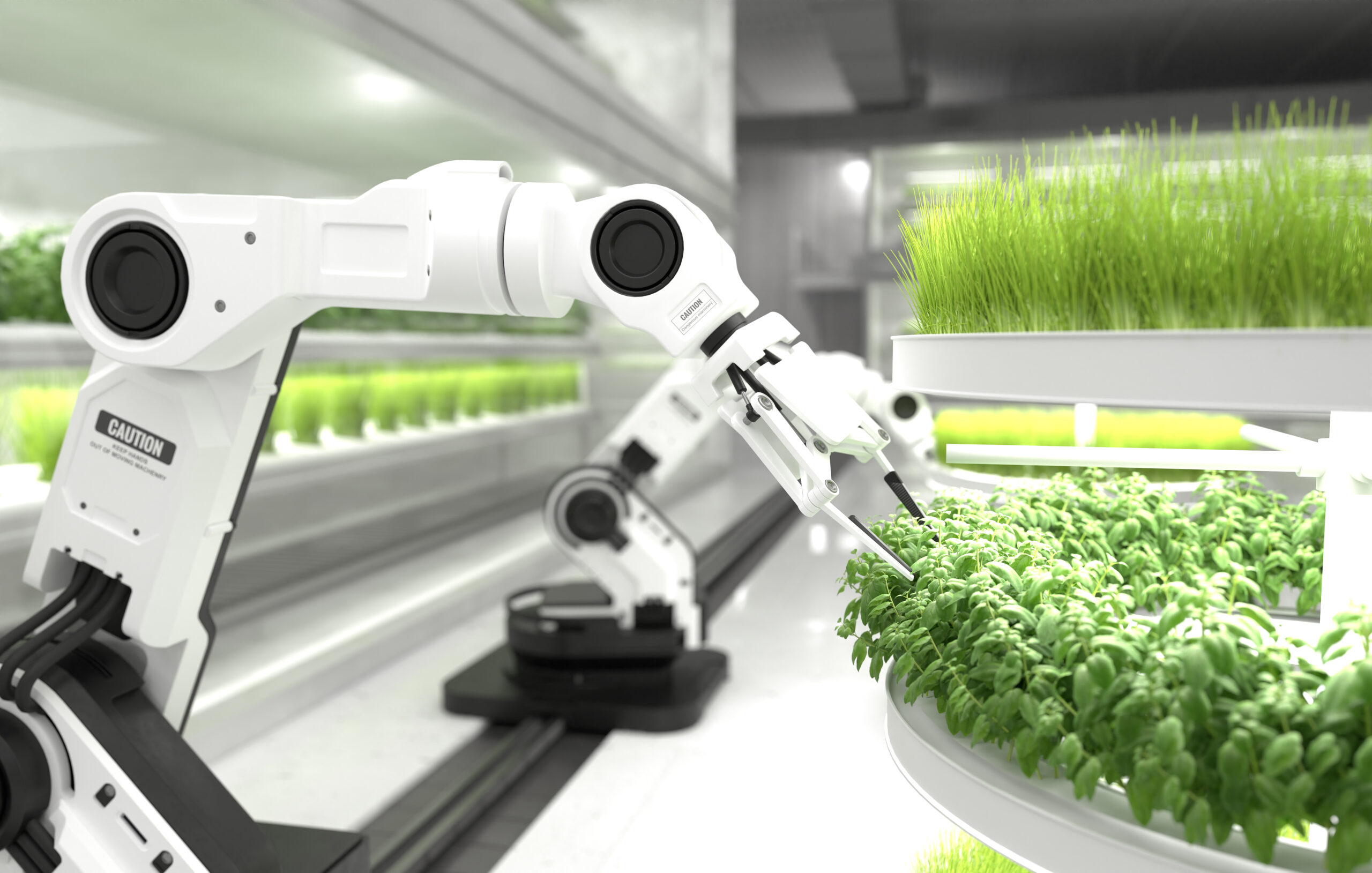
From the seed to the final product, data has become part of different stages of the food supply chain. In agriculture, artificial intelligence is already helping producers monitor crops, forecast productivity and make more informed decisions about cultivation.
With sensors, drones and predictive analytics systems, farmers can track information such as soil moisture, plant development and weather conditions in real time. These resources allow producers to adjust management strategies, identify risks before they escalate and use resources such as water and inputs more efficiently.
In logistics, data also plays a strategic role. Artificial intelligence can optimize transportation routes, predict equipment maintenance needs and monitor storage conditions in real time, reducing risks during the transportation of perishable products.
The integration of these insights allows producers and companies to anticipate challenges, adjust processes and find new ways to balance productivity and sustainability throughout the supply chain.
What changes when industry decisions are guided by data
Within the food industry, artificial intelligence works alongside technical expertise, helping teams analyze information, identify trends and support more accurate decisions.
With consumers becoming more demanding and markets changing rapidly, companies that can turn information into action gain greater agility to develop products, optimize processes and respond to new demands.
The advancement of artificial intelligence shows that the future of the food industry will rely less on the amount of data available and more on the ability to transform that information into strategic decisions. From recipe development to supply chain management, technology is already influencing how food products are designed, manufactured and delivered.
Artificial intelligence is one of the technologies reshaping the future of the food and beverage industry. Anuga Select Brazil brings together companies, specialists and professionals who are closely following these changes, showcasing solutions, trends and opportunities for the sector’s development.
The next edition of the event will take place from April 6 to 8, 2027, at Distrito Anhembi in São Paulo, bringing together leading names from the food and beverage supply chain.
Want to showcase your solutions to a qualified audience and connect with the trends shaping the future of the industry? Click here and become an exhibitor at Anuga Select Brazil 2027