
A few minutes walking through supermarket shelves are enough to notice that something has changed. Foods with less sugar now share shelf space with lactose-free, high-protein products and other options designed to meet different consumer preferences. Labels highlighting these features make it easier for shoppers to find what they are looking for, while product composition has become a more important part of the purchasing decision, with greater attention to sugar, sodium, fats and ingredients.
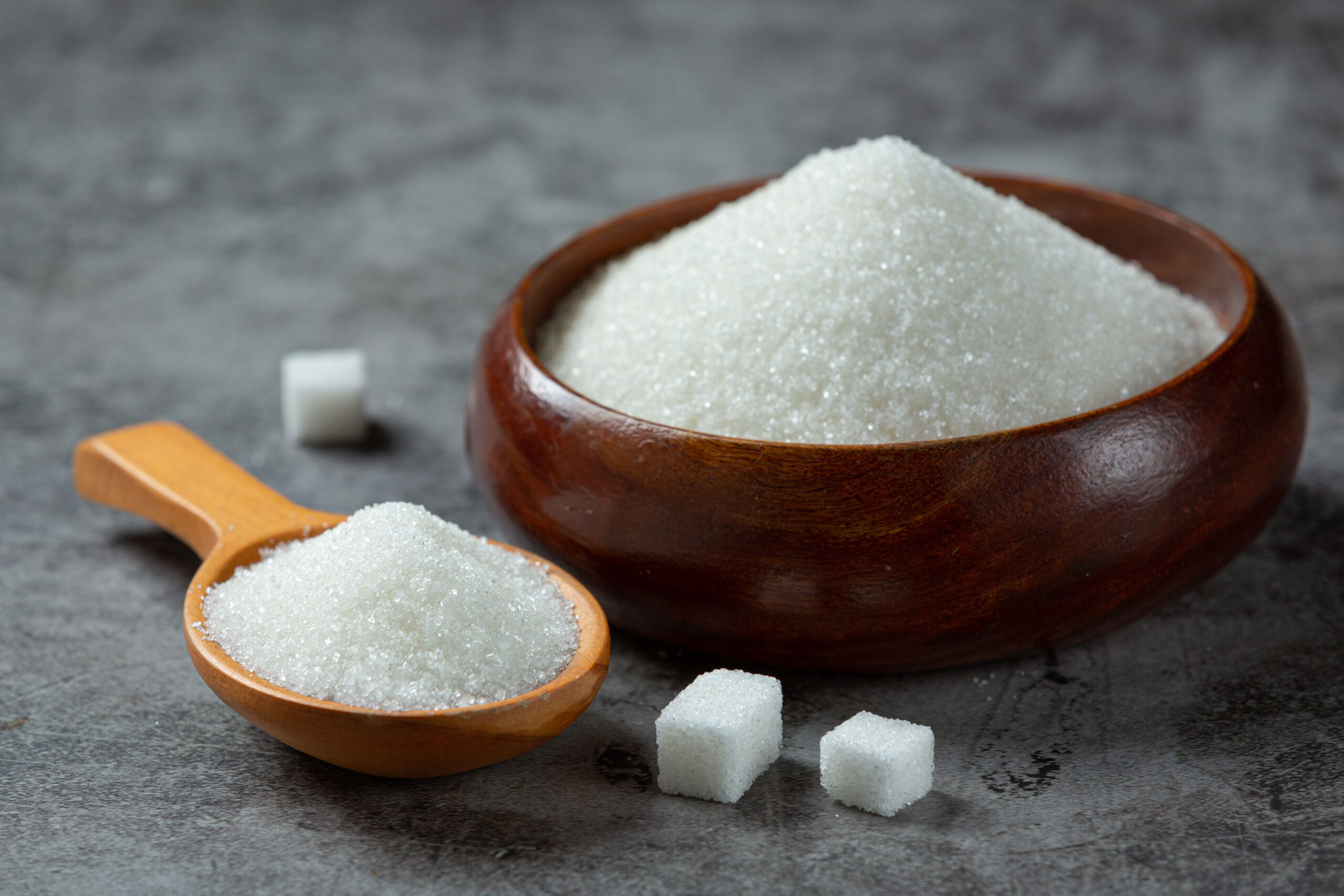
This shift is already showing up in shopping habits. Five in ten Brazilians say they are increasingly choosing foods with less sugar and opting for no- or low-calorie sweeteners, according to the third-quarter 2025 Consumer Insights study by Worldpanel by Numerator. Among consumers in the A and B socioeconomic classes, sugar reduction has already surpassed 50%.
At the point of sale, data from Scanntech Brasil shows that, among consumers who changed their eating habits over the past year, 64% started buying products considered healthier, while 53% reduced their consumption of sugar and sweets.
The question is how to reduce sugar while preserving the taste, texture and overall experience that make a product earn a place in the shopping cart.
Consumption of foods with less sugar is growing in Brazil
With so much information circulating on smartphones, television and social media, consumers’ relationship with food has gained another layer. Before placing a product in their cart, shoppers can compare ingredients, research its composition online, check the nutrition facts panel and pay attention to the information highlighted on the packaging.
Mandatory front-of-pack nutrition labeling, introduced in Brazil in 2022, has made this information more visible. The magnifying glass symbol created by Brazil’s National Health Surveillance Agency (Anvisa) indicates when a product contains high levels of added sugars, saturated fat or sodium.
Following the introduction of this labeling system, a Scanntech survey found that between the first quarter of 2022 and the same period in 2026, sugar sales fell by 21.2%, while cookies and chocolate recorded declines of 19.3% and 15.7%, respectively. The figures point to growing demand for new formulations and product concepts that can bring together enjoyment and changing dietary preferences.
From soft drinks to chocolate: new formulations reach supermarket shelves
Some of the most visible responses are emerging in familiar product categories. In beverages, for example, versions with less or no sugar are gaining ground. Coca-Cola Zero Sugar already accounts for more than 31% of the company’s total sales in Brazil, according to data republished by MarketScreener.
Behind these products lies a significant formulation challenge. Reducing sugar means preserving the taste, aroma, body and characteristics that consumers already know. Achieving this balance can involve different types of sweeteners, ingredient combinations and adjustments to the formulation.
In confectionery and snacks, the same challenge opens up other possibilities. Chocolate products can use higher cocoa concentrations and adjustments to the ratio of sugar and fat to balance taste and texture. At the latest edition of Anuga, exhibitors were already showcasing innovations in this area, including organic and sustainable chocolate, bean-to-bar options and naturally sweetened products, demonstrating how the category is exploring different ways to combine quality, innovation and taste. Biscuits and snacks are also incorporating ingredients with different nutritional profiles, such as grains, seeds and fiber. Alongside no-added-sugar alternatives, new recipes are being developed for specific consumption occasions and preferences.
Some companies are also investing in proprietary technologies. Nestlé has developed an enzymatic process that can reduce naturally occurring sugars in ingredients such as malt and milk by up to 30%, while preserving taste and texture without the need to add sweeteners or bulking agents to compensate for the reduction. The technology has already been applied to cocoa- and malt-based beverages in different markets.
Across these categories, reformulation requires a delicate balance between reducing certain components and preserving the texture, taste and experience consumers expect when they open a package. This is where research, product development and ingredient selection become key to creating new products. In this process, several solutions can help guide the development of new formulations:
| Alternatives for sugar reduction | What can be explored | What needs to be preserved |
| Sweeteners | Combinations of different sweeteners and new ways to balance sweetness perception | Taste and the absence of lingering off-notes |
| Aromas | Using aromas to enhance the perception of sweetness | Sensory experience |
| Functional ingredients | Fibers, fruit, cocoa and other ingredients that can support the formulation | Texture, body and palatability |
| Technology and processes | New processing methods and reformulation technologies | The product’s original characteristics |
| Recipe development | Adjustments to ingredient ratios and combinations | Taste, appearance and consumer acceptance |
Yogurts, bakery and gourmet products open up new possibilities
Since every food behaves differently, sugar reduction also requires category-specific approaches. In yogurt, for example, removing part of the sucrose can affect viscosity, creaminess and flavor perception. This is where options such as sweeteners, fruit, lactase and flavor solutions can help recreate these characteristics.
One of these possibilities involves aroma itself. Research by NIZO, a research institute based in the Netherlands, has shown that certain aromas can enhance the perception of sweetness and contribute to sugar reduction in formulations. The approach is based on a relatively new concept in the industry, using aroma to intensify the perception of sweetness and allow for a lower amount of sugar without compromising the sensory experience.
In bakery, the challenge takes a different shape, as sugar contributes to texture, color, moisture and flavor development during preparation. Quality ingredients and process adjustments can help preserve softness, volume and appearance while creating room for recipes using different types of flour and other raw materials.
In gourmet products, reformulation can also become a point of differentiation. Ingredients with a clear origin, unexpected combinations, higher cocoa content, fruit, nuts and other components can create a sophisticated experience while responding to new expectations around product composition.
Reformulation also creates new opportunities
A portfolio needs to keep pace with what is happening beyond its own products. New raw materials, technologies and solutions can open up opportunities to revisit a recipe, test an idea or create a product that stands out in the market.
Keeping up with research, following what other companies are developing and maintaining direct contact with suppliers and industry professionals can also help businesses identify these opportunities before they reach supermarket shelves. Direct connections are what turn information into ideas and ideas into products.
Having access to all of this in one place is one of the opportunities offered by Anuga Select Brazil, the largest food and beverage trade fair in Latin America. Held at Distrito Anhembi in São Paulo, the event brings together leading companies, manufacturers, retailers and industry experts for three days of business, networking and knowledge sharing. It is an environment designed to discover solutions, strengthen connections and explore new opportunities across the market.
If a new technology, ingredient or supplier could make a difference to your business, it pays to be close to the people driving these developments. Take part in the next edition of Anuga Select Brazil and discover what can help your company innovate, rethink its portfolio and reach new consumers. Find out more about exhibiting at the fair.