

Private Label products have been gaining increasing space in global retail and creating new opportunities for the industry. In the food and beverage sector, this model has been expanding by combining two key factors that strongly influence purchasing decisions: quality and competitive pricing. At a time when many consumers are paying closer attention to their everyday expenses, private label products have been occupying more shelf space and becoming more present on shopping lists.
The numbers help illustrate this movement. According to data from Nielsen, private label products are already present in 34% of Brazilian households and generate more than R$47 billion per year in the country. This growth indicates that the model is becoming more established in retail and expanding production opportunities for the industry, especially in high-turnover categories such as food and beverages.
Advantages of Private Label in retail: why is this model growing so much?
One of the main reasons for the growth of Private Label products is the price difference compared to traditional brands. On average, private label products cost between 5% and 30% less than equivalent items from major brands. This happens because the model reduces intermediaries and eliminates the need for high advertising investments, since consumer trust is usually directly associated with the retailer that places its name on the product.
This format is already well established in different markets. In Europe, for example, Nielsen studies indicate that private label brands account for around 40% of food and beverage sales, with strong presence in categories such as juices, milk, plant-based beverages and ready-to-consume products.
In Brazil, the trend follows the same direction. Data from the Brazilian Association of Private Labels and Outsourcing (ABMAPRO) shows that more than 40% of Brazilian families already consume private label products in their daily routine.
This growth has also brought industry and retail closer together. In many cases, product development happens collaboratively, from the definition of formulations to packaging adjustments and market positioning.
Private Label in food and beverages leads new opportunities in retail
Today it is increasingly common to find private label products competing directly with traditional manufacturers. Items such as jams, biscuits, chocolate drink powders, frozen foods and cleaning products are among the most common examples, mainly because they offer greater room for innovation in formulation, packaging and market positioning.
These categories also allow companies to explore niches that have been gaining strength among consumers, such as premium products, healthier options, functional products and solutions focused on everyday convenience. This dynamic expands development possibilities and opens space for new projects within the industry.
Some categories stand out in this movement due to high turnover, strong consumer acceptance and room for differentiation, such as:
| Examples of categories with strong private label presence in retail | |
| Category | Reason for growth |
| Jams and preserves | High added value and room for differentiation |
| Biscuits and snacks | High retail turnover and strong consumer acceptance |
| Chocolate drink powders | Strong price competitiveness |
| Frozen foods | Growth of convenience consumption |
| Cleaning products | High rotation and perception of savings |
These categories help illustrate where Private Label has been gaining more space in retail, but the potential goes far beyond these examples. The market continues to evolve, new consumer demands emerge and other categories begin to enter this radar, both in the food and beverage sector and in complementary segments.
As a result, new discussions are gaining space between industry and retail. Topics such as which categories still have growth potential, how to develop more competitive products and how to keep up with changes in consumer behavior are becoming increasingly present in industry conversations.
Anuga Select Brazil highlights opportunities in the Private Label market
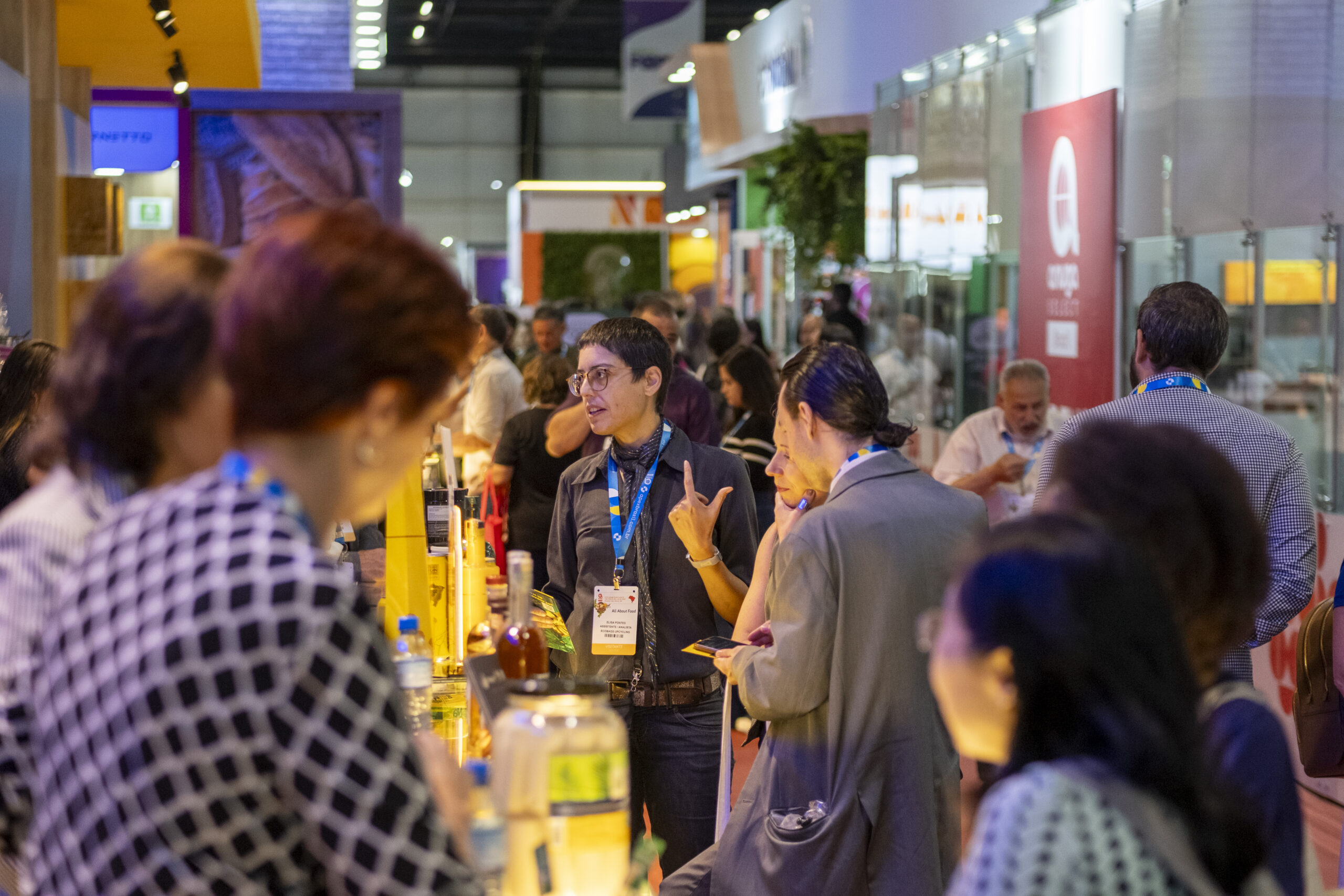
To foster new business opportunities in Brazil, the growth of this market will also be highlighted during Anuga Select Brazil, which takes place from April 7 to 9, 2026, at Distrito Anhembi, in São Paulo.
During the event, Private Label Brazil will be held, a pioneering fair in the sector that celebrates its 10th anniversary and, in this edition, takes place in partnership with Anuga Select Brazil. The program will last three days, bringing together companies and professionals from different areas of the market, such as supermarkets, wholesalers, retailers, food service networks and hospitality, among others.
The space was designed to stimulate business connections, bring together production partners and present solutions focused on private label development and industrial outsourcing, creating an environment that encourages the discovery of new business opportunities.
In addition to the exhibition area, the content program brings together specialists and industry executives to discuss relevant topics for the development of private label brands, including:
- End-to-end quality in private label development
- The impact of new consumer choices on retail
- Innovation and compliance in the supplements and nutraceutical sector
- Positioning strategies for private label products
- Growth and differentiation of private label brands in the hygiene and personal care segments
The sessions bring together professionals from major companies who share practical experiences, market cases and relevant insights for those looking to develop competitive products.
Throughout the three-day program, participants will be able to discover new solutions, speak directly with suppliers and identify opportunities to develop or expand private label product lines.
Want to discover firsthand the opportunities the Private Label market is creating for industry and retail?
Then mark this date on your calendar.