

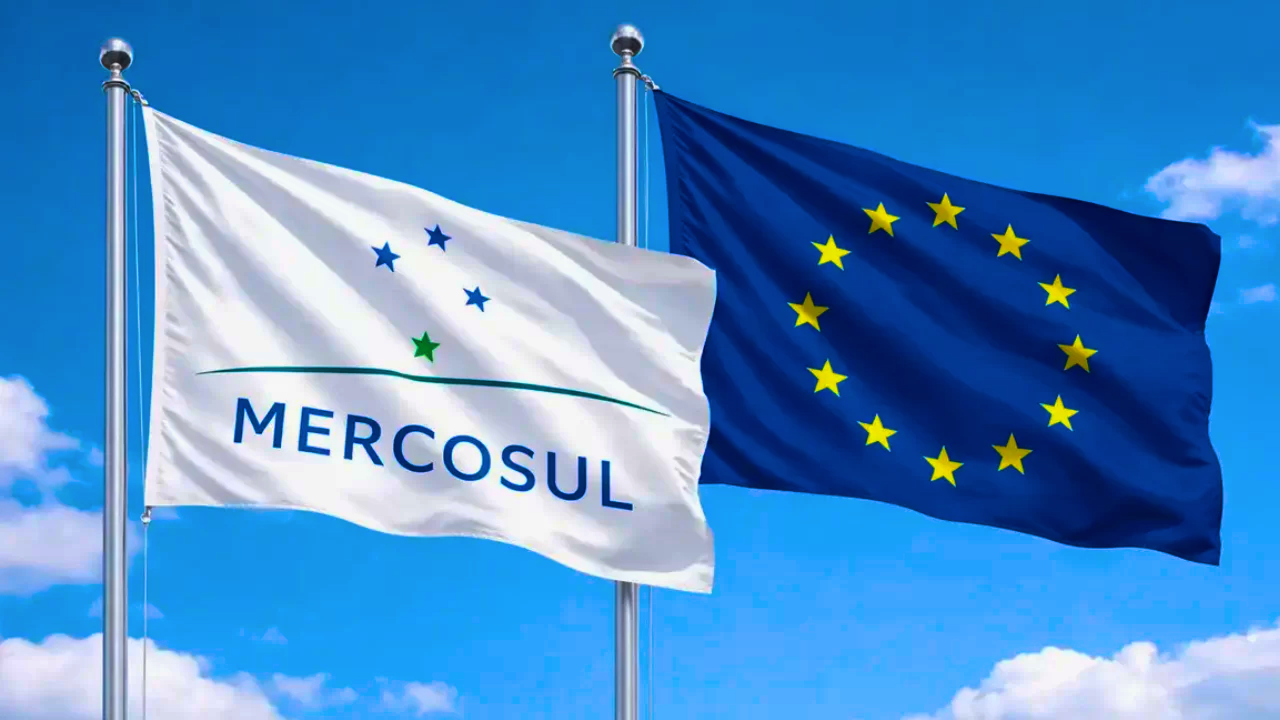
The recent Mercosur–EU Deal, signed in January 2026 after more than 25 years of negotiations, represents one of the most significant shifts in international food and beverage trade in recent years. The deal, still subject to formal ratification by all parliaments, including the European Parliament, opens a historic window of greater access to the European market for Brazilian products, creating unique opportunities for export growth and commercial integration between the two regions.
In 2025, trade between Brazil and the European Union reached approximately US$100 billion, according to data from the Brazilian Federal Government, highlighting the importance of this relationship. The European Union accounted for around 16% of Brazil’s total foreign trade and remains one of the country’s main commercial partners.
In the agricultural sector, Brazil holds an even more strategic position. In 2024, the country was the third-largest agricultural exporter in the world, with US$144.8 billion in foreign sales, according to the Ministry of Agriculture. By 2025, Brazil had become the largest supplier of agricultural products to the European market, with exports reaching nearly US$21.8 billion.
These figures show that Brazil is already a key player, yet it still has the potential to expand its presence on European store shelves, wine lists, menus, and supply chains, further strengthening its position in the global food and beverage market.
What Changes in Practice for Companies Under the Mercosur–EU Deal
The Mercosur–EU Deal directly affects the daily operations of companies that produce, export, import, or sell food and beverages. Among the main impacts are:
| Key Point | What Changed |
| Tariffs | Gradual reduction or elimination of tariffs between Mercosur and the European Union |
| Access to the European market | More competitive entry for Brazilian food and beverage products |
| Product profile | Encourages export of higher-value-added products |
| Small and medium-sized enterprises | Expanded opportunities for internationalization |
| Regulatory requirements | Remain in place, but with greater predictability and transparency |
| Trade flow | Trend of growth in both directions |
| Competitiveness | Increased pressure on quality, branding, and market positioning |
Products That Benefit from the Mercosur–EU Deal
Beyond the general changes, certain products receive immediate tariff benefits or quota-protected access:
Brazilian agribusiness
- Orange juice and fruit: zero tariffs, consolidating Brazil’s global market leadership.
- Instant coffee: elimination of taxation allows fair competition with European processors.
- Meat: access through substantial quotas with reduced or zero tariffs, generating billions in new revenue.
- Ethanol: expanded presence in Europe as a key component in energy decarbonization.
Industrial and consumer products
- Industrial machinery: immediate cost reductions support the modernization of Brazilian factories.
- Automotive sector: gradual reduction of tariffs on parts and components facilitates technological integration.
- Wines and olive oils: high-quality European products benefit from lower prices, stimulating domestic consumption.
To put this impact into perspective, the Brazilian Food Industry Association (ABIA) estimates that exports of processed foods to the European Union could grow between 1% and 2% in the short term, reaching up to 8% over the long term. This growth could generate up to BRL 3.5 billion in additional revenue and approximately 30,000 direct and indirect jobs. In 2025, Brazil’s processed food sector exported US$66.8 billion, of which US$8.7 billion went to the European Union.
The deal creates a favorable environment for higher-value Brazilian products to gain space in niches that value diversity, origin, and quality, while keeping Brazil attractive for European imports. This increases trade flows in both directions and connects consumers to new experiences.
Challenges and Considerations to Take Advantage of the Deal
Excitement coexists with the realities of international trade. Tariff reductions alone do not eliminate the complexity of processes. Importing food into Brazil still requires certifications, registrations, and approvals from agencies such as Anvisa and the Ministry of Agriculture, depending on the product. The same applies in reverse, when Brazilian companies must meet the EU’s sanitary, technical, and labeling requirements.
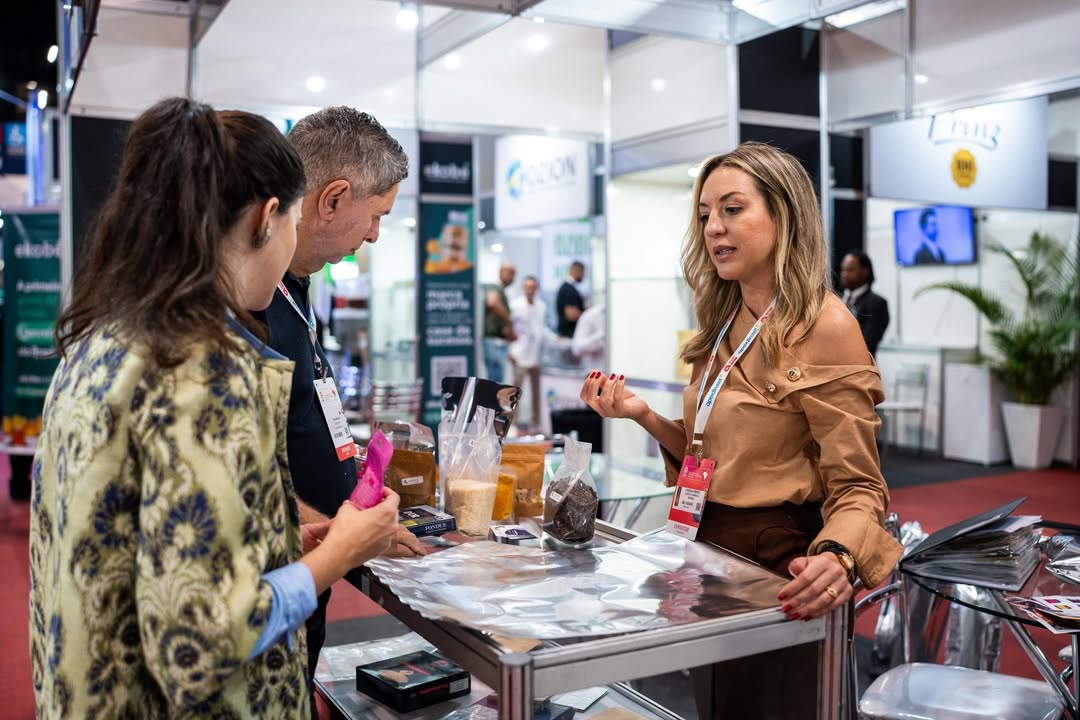
According to Mariane Ewbank, managing director of Fulstandig, freight forwarder for Anuga Select Brazil, the Mercosur–EU Deal represents a historic opportunity for Brazil to expand its presence in the European market, opening important doors for Brazilian products. She emphasizes that fully seizing this potential requires following the regulatory and operational path correctly, with certifications, approvals, and adherence to quality and process standards. “The deal creates unique conditions for Brazilian food and beverages to gain space in Europe, but success depends on preparation, planning, and attention to technical requirements, both in Brazil and abroad.”
Structural factors also play a role. Production costs in Brazil remain high across several segments. In the wine market, for example, imported wines are often cheaper than domestic labels, reflecting differences in taxation, scale, and incentives. The challenge is to make Brazilian producers more competitive while ensuring efficiency and quality.
How the Deal Impacts Small and Medium Enterprises
One of the most relevant aspects of the deal is the potential inclusion of small and medium-sized businesses in the international agenda. According to Sebrae, micro and small enterprises represent around 30% of Brazil’s GDP and account for more than 50% of formal employment. Yet, their participation in exports remains limited.
The Mercosur–EU Deal, combined with training policies and internationalization programs, can gradually change this scenario. Sebrae itself provides initiatives to prepare companies for exporting, offering training, consultancy, and support in compliance processes.
Mariane points out that the challenge lies less in product quality and more in how products are presented to the world. “Brazil has made great strides in categories like olive oil and cheeses and has won important awards, but very few people know this. Marketing, promotion, and support to prepare small and medium producers for the international market are still lacking.”
For these businesses, internationalization involves clear steps: adapting products, meeting technical requirements, strengthening branding, and being present where connections turn into opportunities.
How to Connect Directly with the European Market
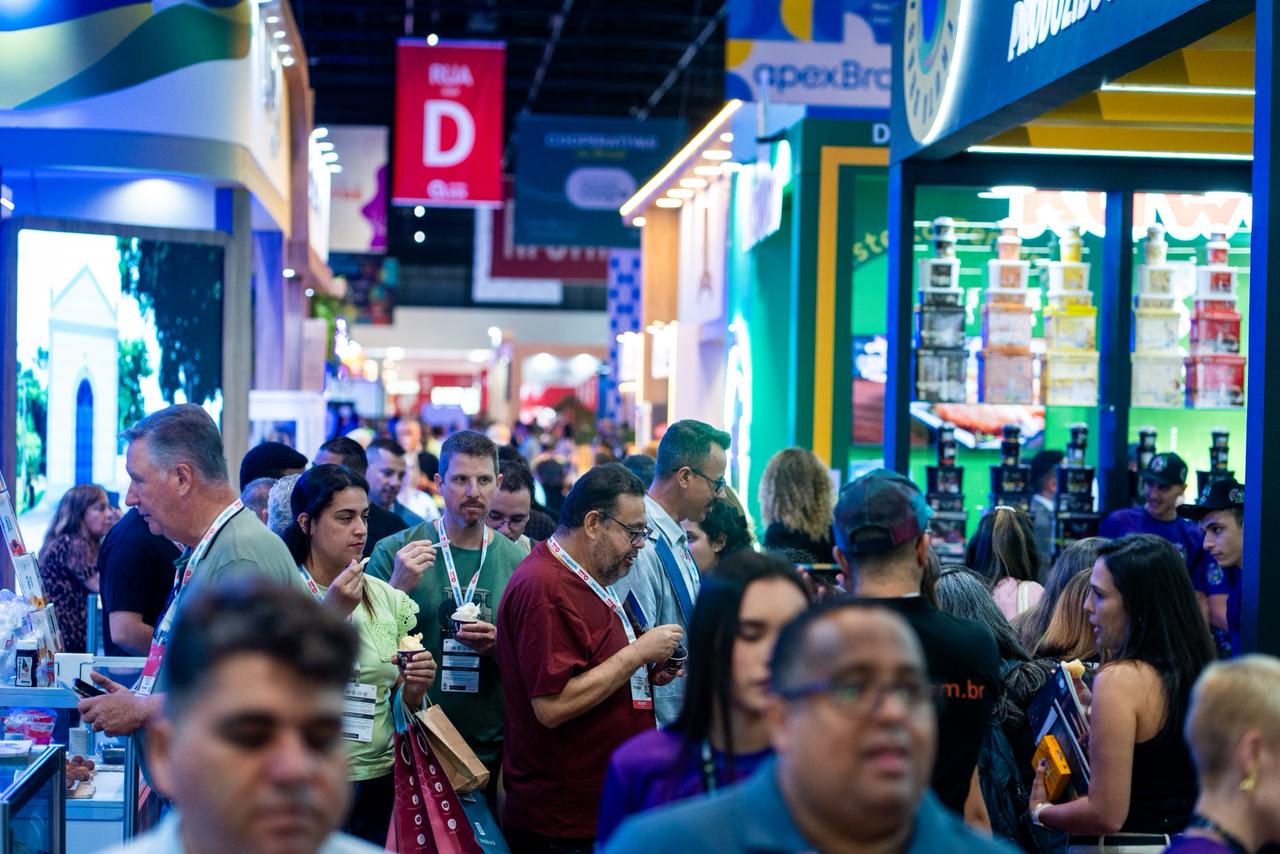
International trade fairs remain the most direct and effective way to bring producers, manufacturers, distributors, and buyers together. The Anuga Select Brazil plays a strategic role in this context. As the first major food trade fair of the year in Brazil, Anuga serves as a gateway for companies looking to start or accelerate their international presence. In 2026, the event will take place on April 7–9 at the Anhembi District in São Paulo.
“In a fair like Anuga, exhibitors meet distributors, discover new technologies, conduct benchmarking, and build relationships. It is a unique platform for Brazilian and international producers and manufacturers, bringing together thousands of people focused on closing business,” says Mariane.
This role becomes even more crucial amid a reorganization of global trade routes. Brazilian companies aiming to access the European market find the fair an ideal environment to showcase products, understand expectations, and initiate conversations that may turn into contracts.
Similarly, European brands interested in Brazil can map local partners, distributors, and sales channels. For anyone looking to export, import, test products, or seek partners, participating in Anuga is no longer optional. It becomes a strategic step in internationalization.
Want to be where the market happens?