

The consolidation of green food and clean label trends is no coincidence. These movements are gaining momentum because they reflect, in practical terms, a structural shift in the relationship between consumers, the food industry, and food itself. What was once confined to niche markets is now influencing strategic decisions by major brands, reshaping product portfolios, innovation criteria, and even how products are presented at the point of sale.
Observing purchasing behavior over recent years makes it clear that health, transparency, and purpose have become key drivers of choice. Consumers want to understand what is on the label, where each ingredient comes from, and what impact a product has on their bodies and on the environment. In this context, green food and clean label have emerged as direct responses to these expectations, connecting individual well-being, environmental responsibility, and trust in the food industry.
Clean Label and Green Food: What They Are and How They Complement Each Other
Although often addressed together, clean label and green food operate at different points along the value chain. Clean label focuses on information clarity, simplified formulations, and the way ingredients are communicated to consumers. Green food, on the other hand, takes a broader view, encompassing agricultural practices, environmental impact, responsible resource use, and food safety throughout the entire production process.
The clean label movement emerged almost simultaneously in Europe and the United States, driven by the search for more natural, sustainable, and easy-to-understand foods. It responds to a direct consumer demand: shorter, clearer labels without technical jargon that makes reading difficult.
When it comes to green food, the emphasis is on strict environmental and safety standards. In many markets, it goes beyond the organic concept by allowing controlled use of inputs, provided they meet criteria related to environmental protection, traceability, and ecological balance. The point of convergence between the two movements lies in transparency and in building trust across the food supply chain.
How Transparency and Sustainability Are Redefining the Food Industry
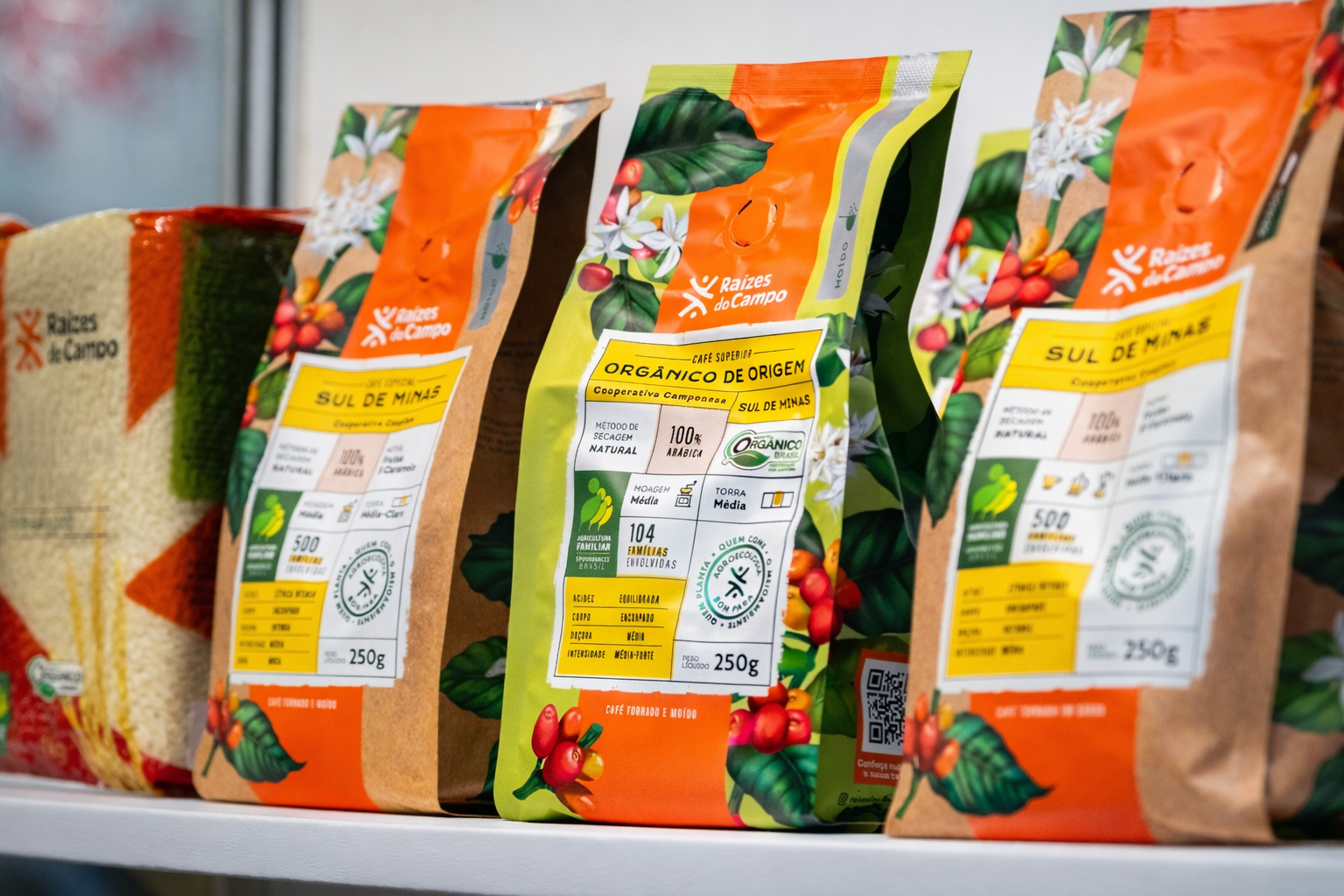
Food and beverage manufacturers have increasingly highlighted attributes such as “made from fruit,” “no added sugar,” “made with whole grains,” or “organic ingredients” on their packaging. This communication reflects real changes in formulations, as well as deeper transformations in relationships with suppliers and agricultural partners.
A survey conducted by the GNT Group across 10 countries revealed that two-thirds of consumers usually check the ingredient list before making a purchase. The study also showed that the term “natural” is directly associated with the absence of preservatives, artificial colors, sweeteners, and flavorings. This behavior helps explain why clean label and green food are advancing in an integrated way, as consumers associate simpler labels with more responsible choices.
In Brazil, this movement is still more prominent among higher-income consumers, driven by greater access to information and a higher willingness to pay for products aligned with these values. However, this profile is gradually expanding as food education evolves and information becomes more prominent on packaging.
Nutritional Labeling in Brazil and Its Impact on Product Development
The update of nutritional labeling regulations by ANVISA has accelerated this transformation in the Brazilian market. Mandatory front-of-pack warnings for products high in added sugar, saturated fat, or sodium have changed the way consumers compare products and make decisions at the point of sale.
This regulatory shift also directly affects portfolio development. Companies have revisited recipes, reduced sugar levels, adjusted nutritional profiles, and sought more natural ingredients to avoid warning labels. Sugar reduction has become one of the main trends associated with both clean label and green food, linking health, transparency, and perceived product quality.
Even without specific regulation for the term “clean label” in Brazil, the concept is widely understood as clear, concise, and easy-to-read labeling. This clarity strengthens consumer trust and contributes to brand positioning over the medium and long term.
What Guides Green Food and Clean Label Strategies Today
- Transparency as a core value: clear labeling and consistent communication about origin, processes, and impact.
- Responsible supply chains: supplier selection, traceability, and agricultural practices aligned with environmental and safety standards.
- Health-oriented formulations: reduction of artificial additives, sugar, and critical ingredients without compromising quality or performance.
- Applied innovation: use of technology, digitalization, and data to ensure efficiency, control, and credibility throughout the value chain.
Data reinforces this momentum. According to Innova Market Insights, 45% of Brazilian consumers seek to reduce artificial ingredients in their diets. Research by Instituto Akatu in partnership with GlobeScan indicates that 64% of consumers in Brazil are willing to pay more for healthy foods produced sustainably. Sebrae highlights that the number of companies offering vegetarian, gluten-free, or organic products has grown by 98%, generating approximately BRL 100 billion in revenue.
Data Confirms the Global Strength of Green Food and Clean Label
Internationally, green food and clean label have become strategic drivers of innovation. Innova Market Insights reports that by 2025, nearly one in two consumers worldwide will choose food and beverages with clean labels, prioritizing transparency, health, and sustainability.
During the same period, 30% of global food and beverage launches featured clean label claims, with snacks standing out as a leading category. The global clean label market is expected to reach USD 45.54 billion in 2025, with a compound annual growth rate of 6.51% through 2030, according to Mordor Intelligence.
The green food segment is advancing at a similar pace. In China, green food certification is supported by public policies and rigorous testing. In the European Union and the United States, new requirements for labeling, packaging, and environmental impact are raising commercialization standards and influencing global supply chains.
Green Innovation, Technology, and New Production Models
In Brazil, the growth of green food is supported by initiatives such as regenerative agriculture, plant-based and alternative proteins, upcycled foods, waste reduction, smart and sustainable packaging, and the digitalization of agriculture and supply chains.
These solutions respond to consumers who are increasingly attentive to environmental impacts while also helping the industry address challenges related to production efficiency, traceability, and food safety. Digital tools and artificial intelligence are gaining ground in ingredient origin control, quality monitoring, and transparent communication with the market.
Younger, higher-income consumers are leading demand for green food, driven by health awareness, environmental concerns, and perceived quality. Price, convenience, and trust in labeling still act as barriers, reinforcing the need for clear and consistent communication strategies.
Challenges include higher production costs, regulatory complexity, and the constant need for innovation. Companies advancing in this landscape invest in partnerships with certified suppliers, digital traceability, and communication strategies that convey real value, purpose, and measurable impact.
Strategic Connections to Advance Green Food and Clean Label
It is within this environment of exchange and negotiation that Anuga Select Brazil positions itself as a key meeting point for the food and beverage industry. The event brings together experts, brands, and decision-makers who are directly involved in building portfolios aligned with sustainability, transparency, and evolving consumer expectations.
Beyond qualified networking, the event provides access to suppliers, technologies, and solutions applicable to product development, supply chain traceability, and brand value communication. Direct exposure to global trends and established best practices helps companies make more consistent, market-connected decisions.
Interested in exhibiting or visiting the next edition of Anuga Select Brazil? There is still time to prepare, deepen your understanding of green food and clean label, and take part in discussions shaping the future of the food and beverage industry. Click here and join the conversation!