

Follow how companies in the food sector are positioning themselves competitively and gaining new markets around the world.
Brazil’s food exports continue to advance at a steady pace, opening new opportunities for small and medium-sized industries that keep up with sector transformations and seek to expand their reach. In recent years, this movement has intensified, allowing domestic manufacturers to broaden their presence abroad and bring Brazilian flavors to the world—driven by a combination of productive efficiency and strengthened international trade relations.
To understand how these companies are gaining space on the global stage, it’s important to look at the most recent indicators, which reveal sector trends and point to where the most tangible opportunities are.
Overview of Food Exports in 2024
In 2024, Brazil reached 80.3 million tons of exported processed foods, a 10.4% increase compared to the previous year, according to ABIA. Revenue totaled USD 66.3 billion, boosted by the expansion of sanitary agreements and strengthened commercial relations with strategic markets.
Asia remained the main destination for shipments, accounting for 38.7% of exports. The Arab League represented 18.9%, and the European Union 12.6%. Growth was driven mainly by animal proteins, sugar and derivatives, and soy-based products. Brazil’s production capacity fully supplies the domestic market and still meets the estimated demand of 900 million people abroad, creating room for smaller companies to enter international trade with competitive products.
Indicators of the Brazilian Processed Food Industry in 2024
| Indicator | Result |
| Export volume | 80.3 million tons
|
| Volume growth | +10.4%
|
| Total revenue | USD 66.3 billion
|
| Revenue growth | +6.6%
|
| Main destinations | Asia 38.7%, Arab League 18.9%, European Union 12.6%
|
| Top product categories | Animal proteins, sugar and derivatives, soy products
|
| Agricultural attaché network | 40 active posts
|
Source: Associação Brasileira da Indústria de Alimentos (ABIA)
Strategies Adopted by Small and Medium-Sized Industries
The current landscape favors industries investing in standardization, traceability, regulatory compliance, and innovation. Companies that structure themselves around these pillars have expanded their global presence and reached markets once dominated by large manufacturers.
This progress has also brought changes to Brazil’s foreign policy for the food and beverage sector. Today, the country has 40 agricultural attaché posts—professionals responsible for promoting Brazilian products, mediating negotiations, and monitoring sanitary and regulatory issues. Their work strengthens technical dialogue, accelerates approvals, and increases regulatory predictability. This support helps identify opportunities, map challenges, and guide investments, creating a safer environment for companies beginning their export journey.
What Influences Purchasing Decisions in the International Market
A study by Ipea on international food trade shows that adopting traceability systems facilitates global product flows, reinforcing the importance of meeting sanitary requirements and quality standards.
Additionally, market research indicates that international buyers increasingly prefer products with full traceability, sustainable packaging, clear nutritional information, and natural ingredients. There is also a growing demand for premium categories such as snacks, alternative proteins, and plant-based foods. Consistent delivery and the ability to meet continuous volumes are becoming key differentiators.
Brazilian companies that incorporate these features increase their competitiveness, and many of them attend Anuga Select Brazil to validate products and strengthen their global positioning.
Expanding Markets for the Brazilian Industry
Several regions are emerging as promising destinations for small and medium-sized industries. The Middle East shows growing demand for certified processed foods, and Arab countries already account for USD 17.7 billion of Brazil’s agribusiness exports, according to the Brazilian Confederation of Agriculture and Livestock (CNA). In African countries, processed food consumption already surpasses the global average. In Southeast Asia, taste, convenience, and extended shelf-life guide preferences and accelerate the entry of new brands.
In the United States, interest in Latin American culinary fusions continues to grow, in a market for “ethnic” foods that expands around 8% per year, according to the study. Participation in fairs and business meetings allows companies to test products, validate positioning, and create their first commercial connections.
Paths to Seizing Export Expansion
Expanding or starting exports involves steps such as understanding regulations in each market, adapting packaging and labels, learning consumer habits, organizing logistics processes, and building trust-based relationships with buyers. Access to accurate information, technical support, and international connections makes a significant difference, especially for companies taking their first steps.
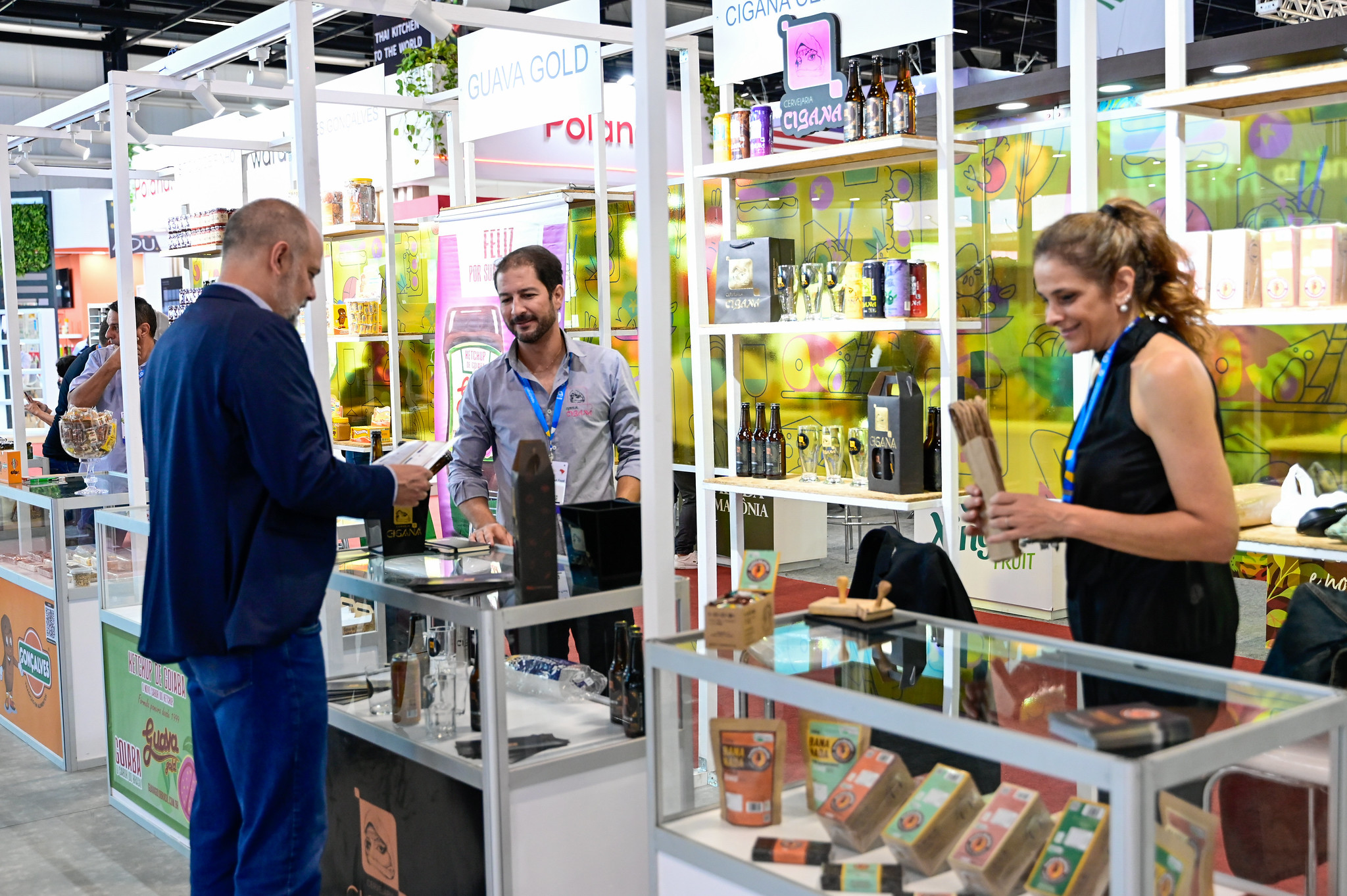
This is where Anuga Select Brazil stands out, offering a complete environment that brings together national and international buyers, content on global trends, regulatory guidance, and the opportunity to validate products directly with the market. Among the event’s most relevant initiatives is the Mega Matchmaking Business Roundtable, which connects more than 120 international buyers selected with support from ApexBrasil, including retail chains, distributors, and hospitality sector representatives.
This model facilitates initial contact, boosts negotiations that continue for months, and benefits even companies that are not exporting yet but are prepared to begin. The partnership with ApexBrasil reinforces this movement by offering guidance on certifications, technical requirements, and regulations, creating a safer environment for medium- and long-term strategic decisions.
With a structure that integrates global trends, technical support, qualified buyers, and practical paths to internationalization, Anuga Select Brazil has established itself as one of the main meeting points for the food and beverage sector in Brazil. For small and medium-sized industries, participating in the event means accessing new markets, identifying real opportunities, validating products, understanding regulatory requirements, and initiating structured negotiations. Participate!